
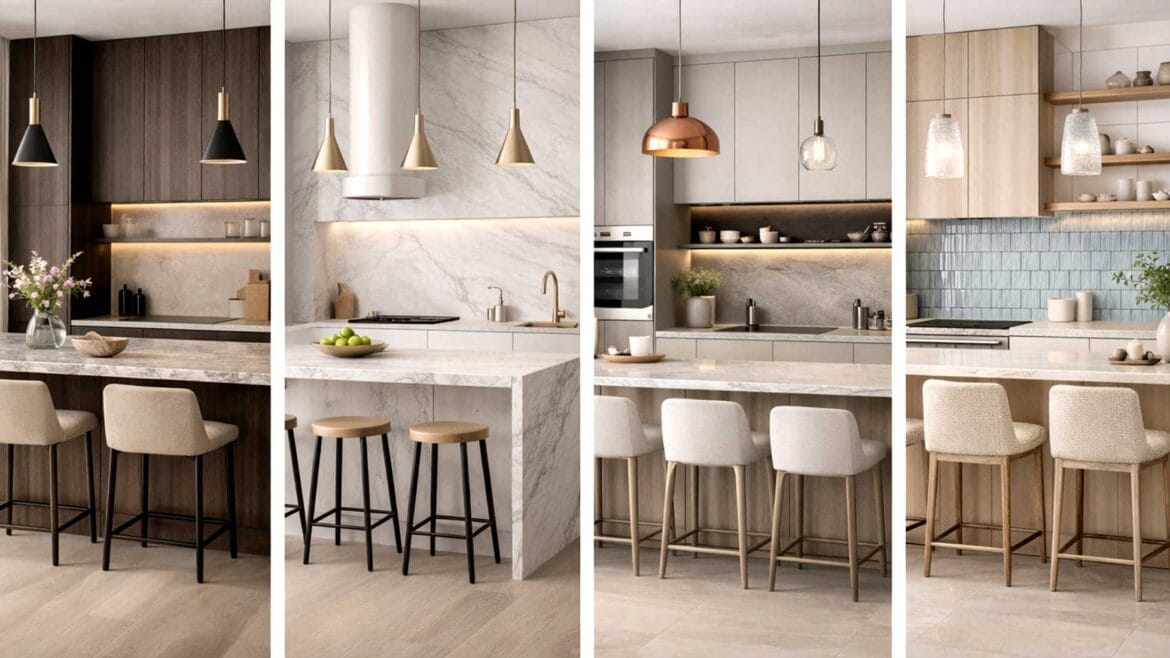
The Art of Subtle Luxury: Contemporary Kitchen Design Ideas Using Neutral Color Palettes
Discover how to elevate your home with contemporary kitchen design using neutral color palettes. Learn to layer textures, integrate warm woods, and use statement hardware for a timeless, elegant space that is anything but boring.
The contemporary kitchen is more than just a place to cook; it is the architectural anchor of the modern home. It’s where functionality meets sanctuary. In recent years, the design world has moved away from stark, ultra-glossy modernism toward something softer, more livable, and undeniably elegant: the contemporary neutral kitchen.
But let’s clear up a common misconception immediately: “Neutral” does not mean “boring.”
When you strip away bold, shouting colors, you are forced to rely on the nuances of design—texture, form, light, and material. A neutral palette is a sophisticated canvas that allows architectural details and high-quality materials to take center stage.
If you are looking to renovate or refresh your kitchen with a look that is current yet timeless, here is your comprehensive guide to mastering contemporary design using neutral color palettes.
Why Choose a Neutral Palette for a Contemporary Kitchen?
Before diving into the “how,” it’s important to understand the “why.” Why are top interior designers consistently gravitating toward creams, beiges, greiges, and soft grays?
- Timeless Longevity: Kitchen renovations are expensive. A neutral palette is resistant to trend fatigue. While a navy blue island might look dated in five years, a warm taupe or soft white cabinetry system will remain classic.
- Versatility as a Canvas: Neutrals provide a calm backdrop. This allows you to easily change the room’s personality through smaller, varied accents like barstools, textiles, or art, without clashing with the permanent fixtures.
- Enhanced Sense of Space/Light: Lighter neutrals reflect light, making a kitchen feel larger, airier, and cleaner—essential traits of contemporary design.
- Calming Atmosphere: The kitchen is often the busiest room in the house. Neutral tones induce a sense of calm and order amidst the chaos of daily life.
Defining the New Neutral Palette
Forget “builder-grade beige.” The contemporary neutral palette is rich, complex, and heavily reliant on undertones.
1. The Evolution of White
Pure, brilliant white can sometimes feel too clinical for a contemporary home. Instead, look for “off-whites” with creamy or chalky undertones. Think alabaster, ivory, or delicate pale putty tones that offer warmth without sacrificing brightness.
2. The Dominance of “Greige”
Greige—the perfect marriage of gray and beige—remains the darling of contemporary design. It has the modern feel of gray but the inviting warmth of beige. It bridges the gap between cool and warm tones seamlessly.
3. Moody Neutrals
Don’t fear the dark side. Charcoal, deep taupe, rich terracotta, and muted olive greens act as neutrals when used expansively. A charcoal island or a wall of tall, dark taupe cabinetry grounds a space and adds immense sophistication.
The Core Strategy: Texture is Everything
This is the golden rule of neutral kitchen design: When you limit color, you must maximize texture.
Without texture, a neutral kitchen falls flat. You need visual friction to keep the eye interested.
- Matte over Gloss: Contemporary design currently favors matte or satin finishes on cabinetry over high-gloss lacquers. Matte finishes absorb light, feeling softer and more sophisticated.
- Plaster and Limewash: Consider Venetian plaster or limewash paint for the walls instead of standard flat paint. These finishes have inherent movement and depth that flat paint lacks.
- Stone with Character: Instead of solid white quartz, opt for materials with movement. Honed marble (like Carrara or Calacatta), soapstone, or quartzites with distinct veining provide a natural, organic pattern that acts as “art” in a neutral space.
- Tactile Backsplashes: Move beyond the standard subway tile. Look for tiles with a handmade, imperfect feel (zellige tiles), rough-hewn stone bricks, or even a slab backsplash that matches the countertops for a seamless, luxurious look.
Warming it Up: The Role of Wood
A contemporary neutral kitchen without natural wood can run the risk of feeling sterile. Wood is the essential counterbalance to stone and painted cabinetry.
- The Tone Matters: For a truly contemporary feel, lean toward lighter to medium wood tones. White oak, bleached walnut, or ash are excellent choices. Avoid highly saturated, reddish woods.
- Where to Use It:
- Flooring: Wide-plank light oak flooring is a staple of modern organic design.
- The Island: A wood-base island anchors a kitchen filled with painted cabinets.
- Floating Shelves: A few well-placed wood shelves break up a wall of cabinetry and offer a place to display curated earthenware.
- Fluted Details: Fluted or reeded wood paneling on the back of an island or on range hood cladding adds incredible architectural interest and rhythm.
The Jewelry: Metals and Lighting
In a neutral space, hardware and lighting become the jewelry that defines the style.
- Mixing Metals: It is perfectly acceptable—even encouraged—to mix metals in a contemporary kitchen. A common, successful mix is matte black (for faucets or window frames) paired with aged brass or brushed bronze (for cabinet pulls and lighting).
- Statement Lighting: Because the background is quiet, your lighting can be loud. oversized woven pendants add texture, while sleek, sculptural brass fixtures add a modern edge.
Summary: The Dos and Don’ts of a Neutral Contemporary Kitchen
DO:
- DO layer different shades of the same color family (e.g., cream cabinets, beige walls, tan backsplash).
- DO invest in natural materials. Real stone and wood carry a weight and presence that faux materials often lack.
- DO ensure adequate lighting. Neutrals need light to show off their undertones and textures.
- DO edit your countertops. Keep countertop clutter to a minimum. In a minimalist space, clutter is amplified.
DON’T:
- DON’T use the exact same finish everywhere. A flat white wall next to flat white cabinets looks cheap. Vary the sheen.
- DON’T forget contrast. A kitchen that is entirely pale beige will wash out. You need hits of darker tones (a black faucet, dark wood stools, or a charcoal veined counter) to provide definition.
- DON’T ignore the architecture. Contemporary design favors clean lines. Ensure cabinetry is sleek (often handleless or shaker-style with very thin rails) to maintain a modern aesthetic.
Final Thoughts
A contemporary kitchen designed around a neutral palette acts as more than just a functional cooking area; it serves as a serene anchor for the entire home. By stepping away from fleeting color trends and embracing shades of cream, greige, and soft charcoal, you invest in an aesthetic that offers enduring calm refinement. This approach eliminates visual clutter, allowing the architecture of the room to breathe and providing a peaceful backdrop to the chaotic rhythm of daily life. It is a design choice that prioritizes longevity, ensuring the space remains sophisticated and relevant long after bolder fads have faded.
True luxury does not shout; it whispers. A neutral kitchen is not about the absence of color, but the presence of texture—where the warmth of wood and the honesty of stone create a quiet, timeless sanctuary.
Prince SinglaSingla Property Developers
The secret to preventing these hushed tones from feeling flat lies in the masterful interplay of texture and warmth. When color is subtracted, the quality of materials takes center stage; think of the tactile contrast between smooth, matte cabinetry and the organic roughness of a honed stone backsplash, or the way warm, light-oak flooring softens the coolness of steel fixtures.
By meticulously layering these subtle color variations and rich textures, you cultivate a space that feels deeply luxurious and inviting — an effortlessly modern environment that whispers elegance rather than shouting it.
0 comments