
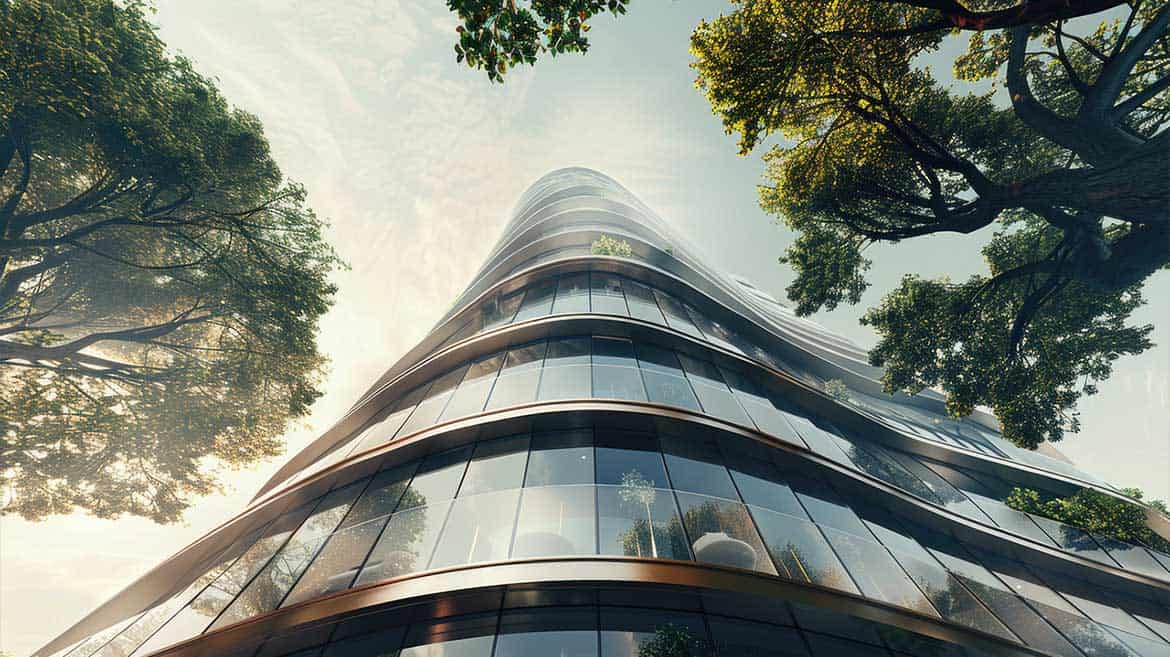
The Role of Technology in Modern Architecture
In an era where innovation is accelerating at an unprecedented pace, technology is revolutionizing every aspect of architecture. From conceptual design to construction and maintenance, cutting-edge tools are empowering architects to push boundaries, enhance efficiency, and create structures that are more sustainable, precise, and inspiring. Let’s explore some of the most transformative technological advancements shaping the future of architecture.
1. 3D Printing: Crafting the Future of Construction
3D printing technology has opened new horizons for building complex, bespoke components with incredible precision. Using large-scale additive manufacturing, architects and builders can produce intricate structures or unique architectural elements directly on-site or in controlled environments.
Advantages include:
- Rapid prototyping and customization
- Reduction of material waste
- Ability to create complex geometries that traditional methods struggle with
For example, researchers have successfully 3D printed entire building sections, paving the way for faster, more affordable construction, especially in remote or disaster-stricken areas.
2. Virtual Reality (VR): Immersive Client Engagement
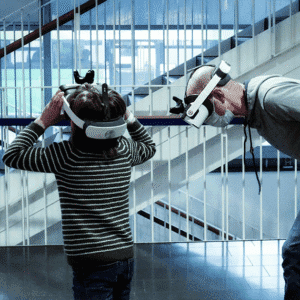
VR technology allows clients and architects to step inside digital models of buildings long before construction begins. This immersive experience facilitates better understanding of spatial relationships, aesthetics, and functionality.
Benefits include:
- Enhanced communication between stakeholders
- Early identification of design issues
- Greater client satisfaction and approval
Architects can simulate different lighting conditions, finishes, and layouts, enabling more informed decision-making and reducing costly changes during construction.
3. AI and Machine Learning: Smarter Design and Management
Artificial Intelligence (AI) and machine learning algorithms are transforming project management, design optimization, and sustainability analysis. These tools analyze vast data sets to predict project outcomes, optimize resource allocation, and streamline workflows.
Applications include:
- Predictive analytics for cost and schedule estimation
- Generating innovative design options based on constraints and preferences
- Monitoring structural health and maintenance needs over time
AI-driven design software can suggest optimal structural forms, reducing material use while maintaining strength and aesthetic appeal.
4. Drones: A New Perspective on Site Surveying
Drones are increasingly used for site surveying, progress tracking, and inspecting hard-to-reach areas. Equipped with high-resolution cameras and sensors, drones provide real-time aerial data, drastically reducing time and safety risks.
Key benefits:
- Accurate topographical mapping
- Monitoring construction progress with visual documentation
- Identifying potential issues early
Drones enable project managers to maintain better oversight and make informed decisions, ensuring projects stay on schedule and within budget.
5. Parametric Design: Algorithm-Driven Creativity
Parametric design utilizes complex algorithms and computational processes to generate innovative, adaptable structures. By defining parameters and constraints, architects can explore a vast array of form possibilities that respond to environmental, structural, or aesthetic criteria.
Advantages include:
- Highly customizable and responsive designs
- Efficient use of materials and space
- Creation of organic, complex geometries impossible with traditional methods
Parametric design software like Grasshopper and Rhino empowers architects to experiment freely and develop groundbreaking architectural forms.
Embracing the Future
As technology continues to evolve, its integration into architecture promises to unlock new levels of creativity, efficiency, and sustainability. The synergy between innovative tools and visionary design is shaping a built environment that is not only beautiful and functional but also intelligent and resilient.
The future of architecture lies in designs that think, breathe, and adapt — creating spaces that nurture both humanity and the planet.
Prince SinglaSingla Property Developers
By harnessing these technological advancements, architects are building more than structures—they’re shaping a better future for all.
0 comments