
Innovative Architectural Concepts Shaping the Future
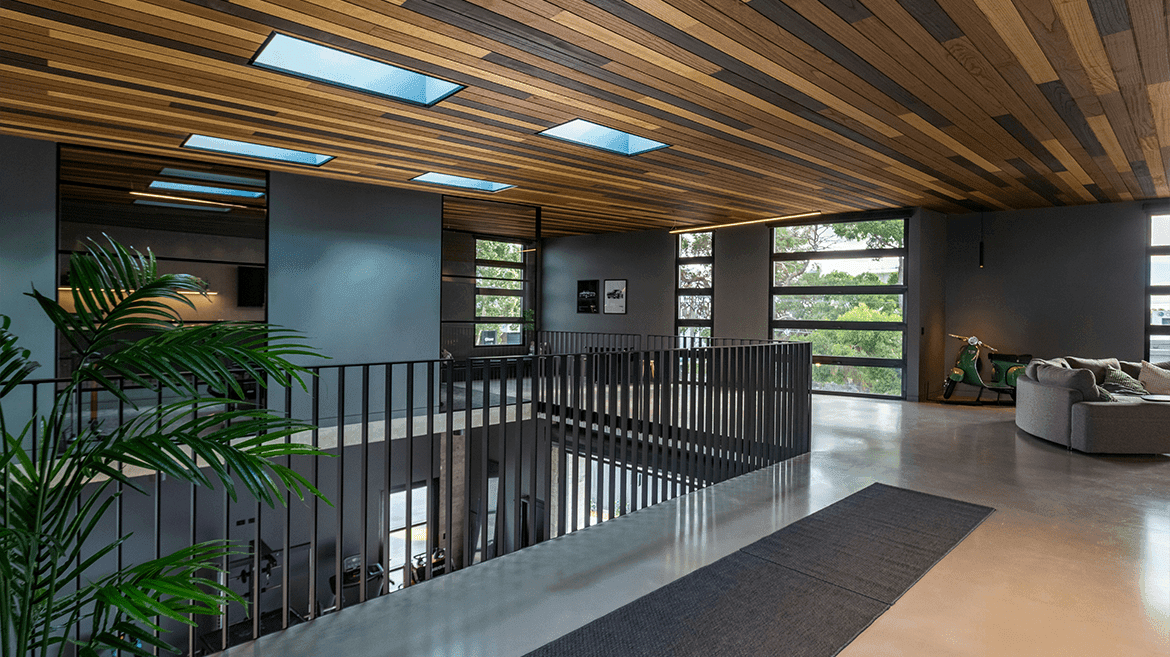
The world of architecture is continuously evolving, driven by technological advancements, environmental concerns, and changing lifestyles. As we look to the future, several innovative concepts are emerging, transforming the way we design, build, and interact with our built environment. These trends not only redefine aesthetics but also prioritize sustainability, efficiency, and human well-being. Let’s explore some of the most exciting architectural ideas that are shaping the future.
1. Smart Buildings: The Intersection of Technology and Architecture
Imagine buildings that think, adapt, and respond to their environment automatically. Smart buildings leverage the Internet of Things (IoT) to optimize energy use, enhance security, and improve occupant comfort. Sensors monitor temperature, humidity, occupancy, and air quality, adjusting lighting, heating, and cooling systems in real-time.
Benefits include:
- Reduced energy consumption and operational costs
- Enhanced safety through integrated security systems
- Improved indoor air quality and lighting
- Data-driven maintenance and management
For example, intelligent HVAC systems can learn occupants’ habits, ensuring optimal comfort while conserving energy. As technology advances, smart buildings will become more intuitive and integrated, leading to more sustainable and user-friendly spaces.
2. Modular and Prefabricated Structures: Building Fast and Efficiently
The traditional construction process can be time-consuming and wasteful. Modular and prefabricated structures offer a modern alternative by manufacturing building components off-site in controlled environments. These modules are then transported and assembled on-site, drastically reducing construction time and minimizing material waste.
Advantages include:
- Faster project completion
- Cost savings on labor and materials
- Greater precision and quality control
- Flexibility for future modifications
This approach is especially popular for residential housing, emergency shelters, and commercial spaces. Companies like Aira Homes are spearheading this movement by creating customizable, eco-friendly modular homes that can be built within weeks.
3. Biophilic Design: Reconnecting Humans with Nature
Biophilic design emphasizes incorporating natural elements into built environments to enhance well-being, productivity, and creativity. This approach recognizes the innate human connection to nature and seeks to bring outdoor elements inside.
Common features include:
- Large windows for natural light
- Indoor plants and green walls
- Water features and natural materials
- Views of outdoor landscapes
Research shows that biophilic environments reduce stress, improve focus, and promote overall health. From offices to hospitals, integrating nature into architecture is a powerful trend that prioritizes human health and environmental sustainability.
4. Vertical Gardens and Green Roofs: Green Solutions for Urban Spaces
As urbanization intensifies, space for greenery becomes limited. Vertical gardens and green roofs offer innovative ways to incorporate plant life into dense cityscapes, providing environmental, aesthetic, and economic benefits.
Key benefits include:
- Improved air quality by filtering pollutants
- Reduced urban heat island effect
- Enhanced building insulation and energy efficiency
- Beautiful, calming environments for residents and workers
Major cities worldwide are adopting these features to create sustainable, livable urban areas. For example, green roofs on commercial buildings help regulate temperature and manage stormwater, while vertical gardens beautify facades and promote biodiversity.
5. Adaptive Reuse: Giving New Life to Old Structures
Rather than demolishing and rebuilding, adaptive reuse involves repurposing existing buildings for new functions. This sustainable approach preserves architectural heritage, reduces construction waste, and minimizes environmental impact.
Examples include:
- Converting factories into loft apartments
- Transforming churches into community centers
- Repurposing warehouses as art galleries
Adaptive reuse also fosters a sense of history and identity within communities. It’s a practical solution for urban densification and sustainability, ensuring that architectural heritage remains relevant and functional.
The Future of Architecture
These innovative concepts are just the beginning of a smarter, greener, and more human-centric architectural landscape. As technology advances and environmental awareness grows, architects and developers will continue to push boundaries, creating spaces that are not only functional and beautiful but also sustainable and adaptive.
The future of architecture lies in designs that think, breathe, and adapt — creating spaces that nurture both humanity and the planet.
Prince SinglaSingla Property Developers
Embracing these trends today will pave the way for a more resilient and inspiring built environment tomorrow.
0 comments