
Interior Design Fundamentals: Principles and Elements That Transform Spaces
The Core Elements of Interior Design
When approaching any interior space, understanding the fundamental elements of design is crucial. These building blocks work together to create rooms that feel balanced, harmonious, and reflective of personal style.
Color acts as the emotional foundation of any design scheme. Warm hues like red and orange energize spaces, while cool blues and greens promote tranquility. This isn’t merely aesthetic preference — research shows color directly impacts mood and behavior, with blue tones even lowering blood pressure in some studies. Strategic color placement can visually expand small rooms or make vast spaces feel more intimate.
Texture and pattern bring depth and visual interest to spaces that might otherwise fall flat. Consider the contrast between smooth leather and nubby linen, or how herringbone patterns draw the eye across a room. Successful designers layer textures thoughtfully—rough with smooth, matte with glossy—creating tactile environments that invite touch and exploration.
Scale and proportion form the invisible framework that makes a room “feel right.” That oversized sofa might look stunning in a showroom but overwhelm your living room. The golden ratio (1:1.618), used throughout architectural history, provides a mathematical foundation for pleasing proportions in furniture groupings and room layouts.
Light transforms spaces more dramatically than almost any other element. Beyond functionality, lighting creates atmosphere, highlights architectural features, and influences how we perceive color and texture. A thoughtfully designed lighting plan includes ambient, task, and accent lighting working in harmony to support both practical needs and aesthetic goals.
Balancing Form and Function in Design
The most beautiful spaces fail if they don’t support how people actually live. Form should follow function—but that doesn’t mean sacrificing style for practicality.
Before selecting a single decorative element, consider how the space will be used. Who lives here? What activities happen in this room? How does traffic flow? Architectural Digest experts emphasize that proper spatial planning prevents costly mistakes and ensures designs that truly serve their occupants.
Existing architectural elements provide valuable direction. That awkward column in your living room? Rather than trying to hide it, incorporate it into your design with built-in shelving or as an anchor for seating arrangements. Historic moldings, unusual windows, or exposed brick walls offer character that can’t be replicated.
Functionality-first doesn’t mean utilitarian spaces. Clever designers disguise storage within decorative elements, choose beautiful yet durable materials for high-traffic areas, and ensure furniture serves multiple purposes without looking purely practical.
Design Styles and Their Defining Characteristics
Understanding established design styles provides a framework for creating cohesive spaces:
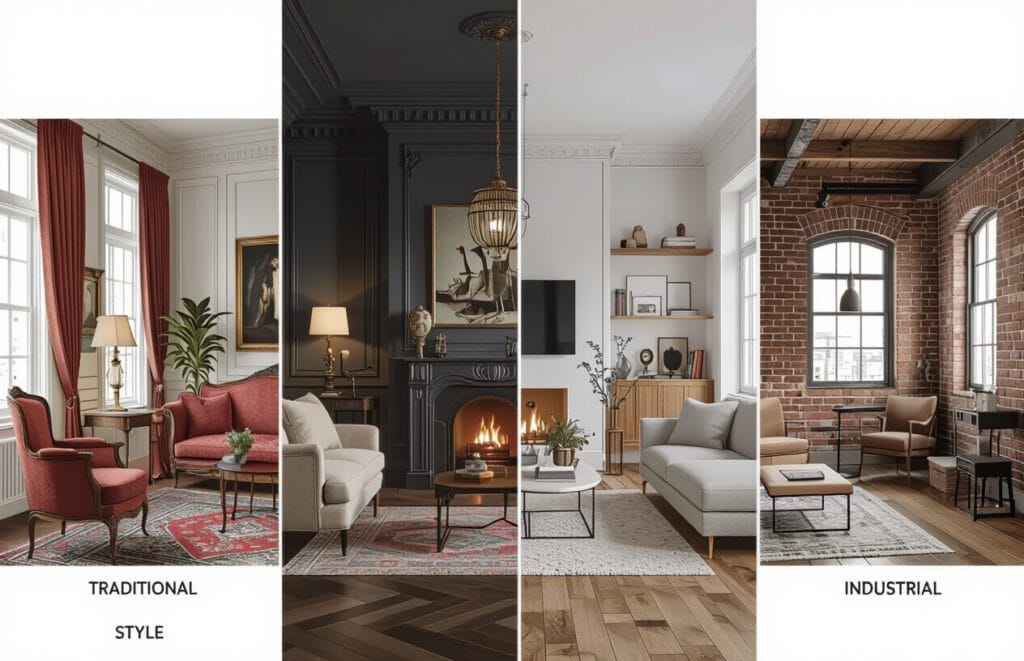
Traditional design embraces classic symmetry, rich colors, detailed millwork, and antique-inspired furniture. This timeless approach focuses on comfort and elegance with familiar silhouettes and coordinated fabrics.
Modern design strips away ornament in favor of clean lines, minimal decoration, and the mantra “less is more.” Dating back to the early 20th century, it prioritizes function, with furniture that celebrates material and form.
Contemporary design reflects what’s current right now—today’s interpretation of modern with softer edges and greater emphasis on sustainable materials.
Specific aesthetics like Scandinavian (light woods, neutral palettes, cozy minimalism), mid-century modern (organic shapes, bold colors, functional design), and industrial (raw materials, exposed elements, utilitarian aesthetic) each offer distinct visual languages.
The most personal and successful spaces often blend multiple styles, perhaps pairing industrial lighting with traditional furniture, or introducing global textiles to a Scandinavian framework. This intentional mixing creates spaces that feel collected rather than decorated.
The Design Process: From Concept to Completion
Professional designers follow structured processes that anyone can adapt:
Starting with a comprehensive design brief clarifies goals, constraints, and inspirations. Mood boards—physical or digital collections of images, fabrics, and materials — help visualize the direction before committing. This early phase saves time and prevents costly mistakes.
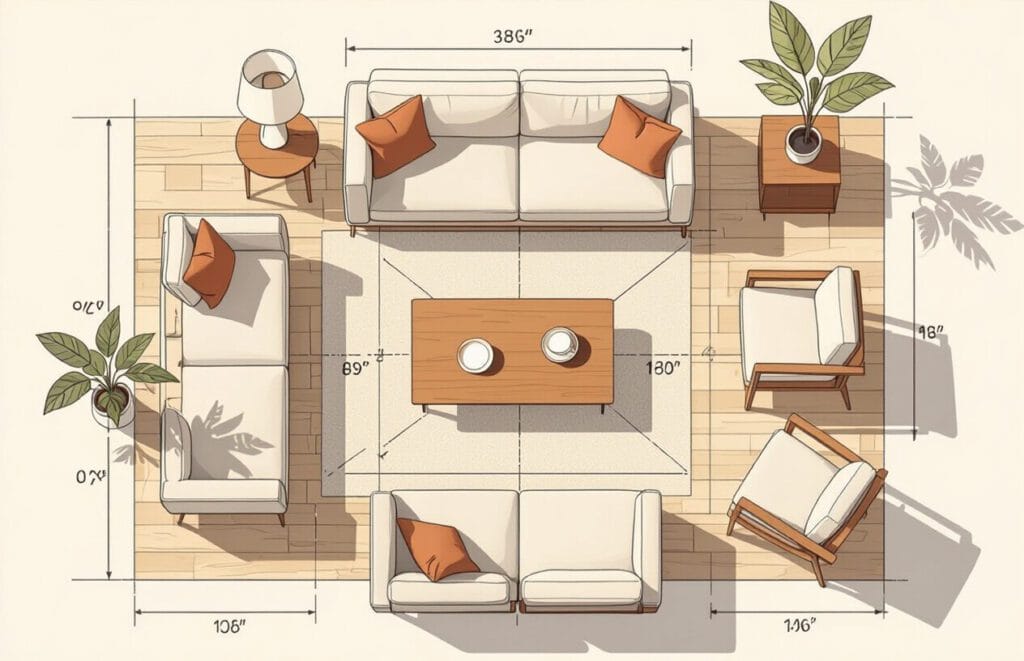
Space planning requires precision. Professional designers create scaled floor plans, considering traffic flow, conversation areas, and sight lines. Even without professional tools, planning furniture placement on paper prevents disappointing arrangements.
Budget allocation follows the 70/30 rule: invest 70% in quality foundation pieces (architectural elements, flooring, key furniture) and 30% in decorative elements that can change over time.
Great design balances beauty and purpose — when form and function meet, a home truly comes alive.
Prince SinglaSingla Property Developers
Implementation often works best in phases, particularly for large projects. Addressing structural elements first (walls, flooring, lighting), then major furniture, and finally accessories allows for flexibility as the design evolves.
0 comments