
Luxury Interior Design Without Overdoing It: Clean, Elegant & Timeless
Discover the secrets of “Quiet Luxury.” Learn how to achieve a sophisticated, high-end interior design that feels timeless and elegant, not flashy or cluttered. Master the art of restraint with our expert guide.
True luxury isn’t about how much you can fit into a room; it’s about how the room makes you feel.
In the age of “Quiet Luxury” and minimalist elegance, the definition of high-end design has shifted. It is no longer about gold-plated everything, oversized logos, or blinding crystal chandeliers in every corner. Today, luxury is defined by restraint, quality, and timelessness.
If you want a home that feels expensive but approachable—a space that whispers wealth rather than shouting it—you need to master the art of not overdoing it. Here is how to strike that perfect balance between opulent and understated.
1. The Foundation: Quality Over Quantity
The biggest mistake in trying to achieve a luxury look is filling a space with too many “things.” Cheap luxury is cluttered; true luxury is curated.
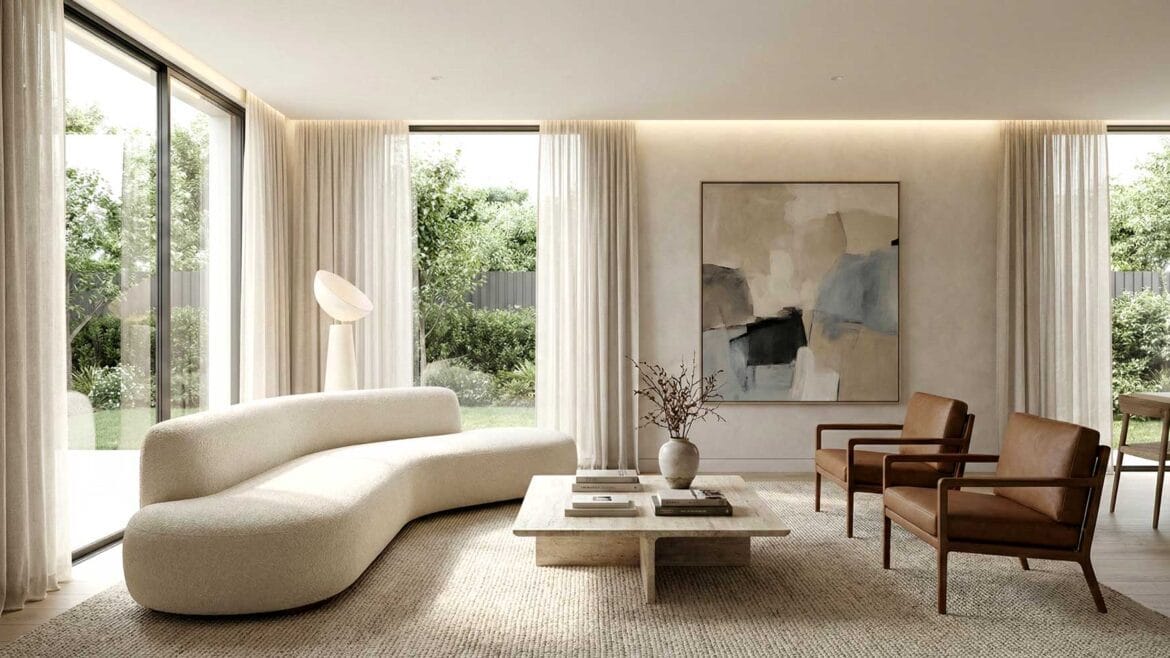
- The “One Hero” Rule: In every room, pick one star. It might be a sculptural sofa, a piece of large-scale art, or a statement fireplace. Everything else should play a supporting role.
- Negative Space: Don’t be afraid of empty walls or open floor space. Negative space allows the eye to rest and makes the pieces you do have stand out more.
2. The Palette: Depth in Neutrality
You don’t need bold colors to make a statement. In fact, most timeless luxury interiors rely on a monochromatic or neutral palette. But “neutral” doesn’t mean boring.
- Texture is Key: When you remove color, you must add texture. Pair a smooth leather chair with a nubby boucle rug. Place a velvet cushion on a linen sofa. This layering creates visual richness without chaos.
- The “Greige” Spectrum: Move beyond stark white. Use warm grays, taupes, creams, and soft charcoal. These tones feel warmer and more sophisticated than clinical white.
3. Materials That Speak for Themselves
Luxury is tactile. You can tell a room is expensive with your eyes closed just by touching the surfaces.
- Authenticity Matters: Avoid faux finishes. If you can’t afford real marble, choose a high-quality quartz or a beautiful ceramic tile rather than a plastic laminate that looks like marble.
- The Trinity of Timelessness: You can never go wrong with natural wood, natural stone, and metal.
- Wood: Walnut or white oak adds warmth.
- Stone: Marble or travertine adds weight and history.
- Metal: Unlacquered brass or matte black adds definition.
4. Lighting: The Jewelry of the Home
Lighting is where you can be a little dramatic, but keep it functional.
- Layer Your Light: Never rely on a single overhead light (the “interrogation light”). Luxury spaces use three layers:
- Ambient: Recessed lighting or cove lights.
- Task: Reading lamps or under-cabinet strips.
- Accent: Picture lights or a beautiful pendant.
- Dimmer Switches: This is the cheapest way to make a home feel expensive. Luxury is mood, and you can’t create a mood with bright, flat lighting.
5. The “Overdoing It” Checklist (What to Avoid)
To keep it clean and elegant, steer clear of these common traps:
- The “Set” Look: Don’t buy a matching bedroom set (bed + nightstands + dresser). It looks like a catalogue, not a curated home. Mix and match styles slightly.
- Excessive Shine: A little brass is elegant; a room full of chrome, mirrors, and gloss lacquer feels like a funhouse. Balance shiny surfaces with matte ones.
- Too Many Patterns: If you use a bold wallpaper, keep the upholstery solid. If you have a patterned rug, keep the curtains simple.
| Feature | Timeless Luxury (Do This) | Trendy/Flashy (Avoid This) |
| Materials | Real wood, stone, linen, wool | Faux finishes, excessive plastic, shiny polyester |
| Colors | Tone-on-tone neutrals, warm earth tones | Neons, excessive metallics, clashing brights |
| Furniture | Sculptural shapes, comfort-focused | Stiff, uncomfortable “show” pieces |
| Decor | Curated art, personal travel finds | Mass-produced generic decor items |
Conclusion: The Art of Editing
Before you leave the house, look in the mirror and take one thing off. The same applies to interior design.
True luxury is not defined by abundance, but by the absence of the unnecessary. It is the quiet confidence of a room that needs nothing more to feel complete.
Prince SinglaSingla Property Developers
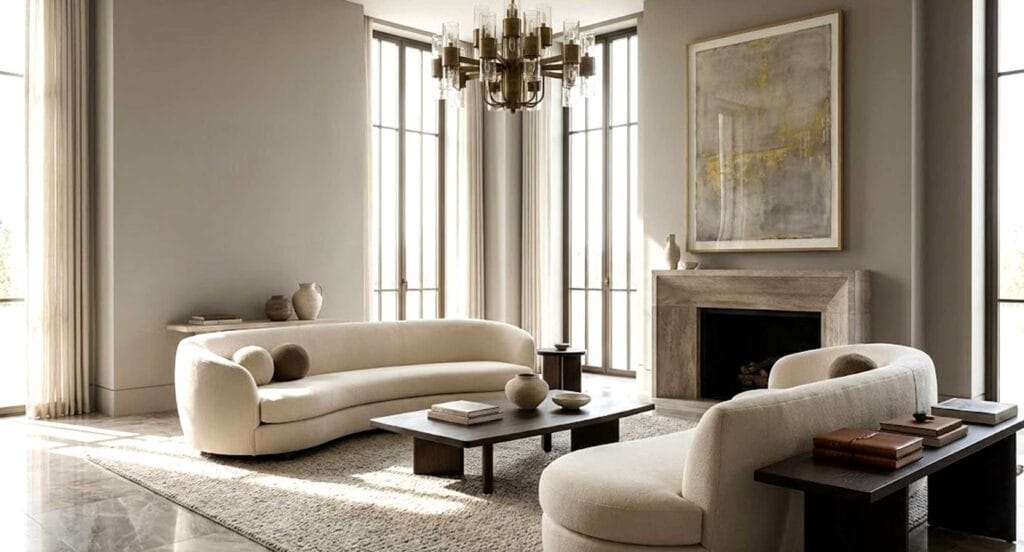
Achieving a clean, elegant, and timeless look requires the confidence to edit. It requires choosing one beautiful, high-quality sofa over three mediocre ones. It means trusting that a room with breathing space is the ultimate luxury. By focusing on materials, light, and scale, you create a home that doesn’t just look expensive today, but will remain stylish for decades to come.
0 comments