
What Are the 8 Different Types of Architecture?
Architecture is a dynamic discipline that blends creativity, science, and social responsibility. It shapes the environments in which we live, work, and play, reflecting our culture, values, and aspirations. The field encompasses numerous specialized branches, each with unique principles, challenges, and goals. Here are eight prominent types of architecture that illustrate the rich diversity within this discipline:
1. Residential Architecture
Residential architecture is perhaps the most relatable form of design, focusing on creating homes and living spaces. It involves designing single-family houses, apartment complexes, condominiums, and housing communities. Residential architects work closely with clients to understand their lifestyle, needs, and aesthetic preferences. They balance functionality with aesthetic appeal, from traditional styles like Colonial, Victorian, and Craftsman to modern, minimalist, and eco-friendly designs. The goal is to craft spaces that provide comfort, safety, and a sense of belonging.
2. Commercial Architecture
This branch specializes in designing spaces for businesses and commercial enterprises. It includes offices, retail stores, shopping malls, hotels, restaurants, and entertainment venues. Commercial architects aim to create inviting and efficient spaces that reflect a company’s brand identity while ensuring operational effectiveness. They consider factors like customer flow, accessibility, safety regulations, and sustainability. These projects often demand innovative solutions to attract consumers and support business growth.
3. Interior Architecture and Design
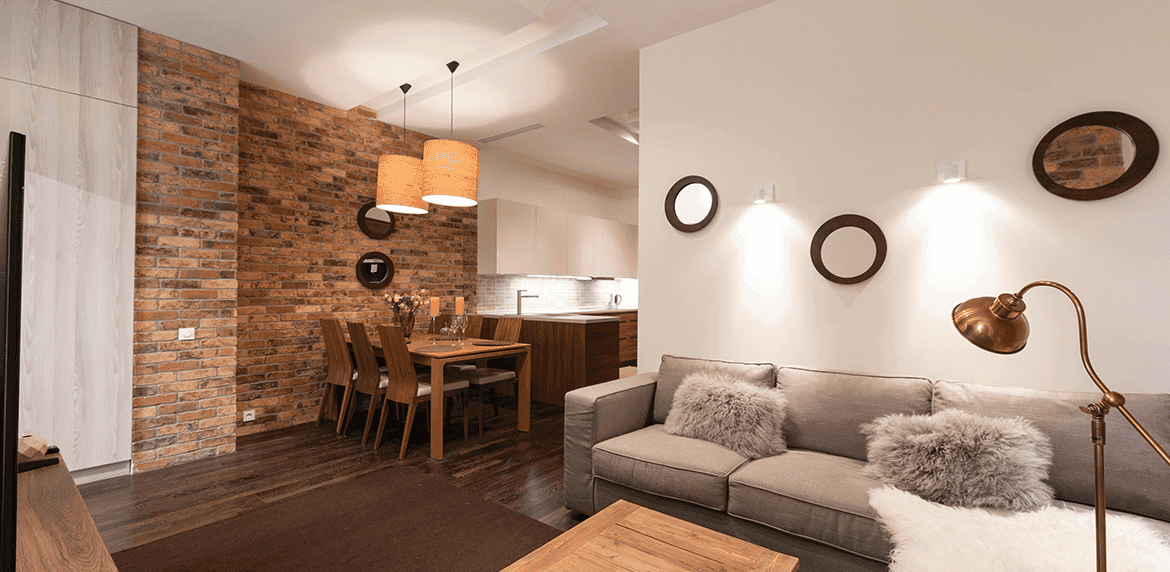
Interior architecture focuses on the internal spaces of buildings, emphasizing the functionality, aesthetics, and user experience within a structure. Interior designers select furniture, color schemes, lighting, and decor to create visually appealing and practical environments. They work in tandem with architects and contractors to ensure that interior spaces align with the overall building design. Their work is crucial in hospitals, hotels, offices, and homes, where comfort and efficiency are paramount.
4. Landscape Architecture
Landscape architecture transforms outdoor spaces into functional, sustainable, and beautiful environments. Landscape architects design parks, gardens, campuses, waterfronts, and urban plazas. They consider ecological factors, climate, soil, and native flora to create harmonious designs that promote biodiversity and environmental health. Their work enhances community well-being, encourages outdoor activity, and preserves natural resources, making outdoor spaces more accessible and enjoyable.
5. Urban Design and Planning
Urban design focuses on the development and organization of entire cities, neighborhoods, and public spaces. Urban planners work on creating comprehensive plans that address transportation, zoning, infrastructure, and land use. They aim to develop vibrant, sustainable, and resilient urban environments that foster social interaction, economic growth, and environmental sustainability. Urban design also involves revitalizing existing areas, improving walkability, and integrating green spaces into dense cityscapes.
6. Industrial Architecture
Industrial architecture involves designing large-scale facilities such as factories, warehouses, power plants, and distribution centers. This type of architecture prioritizes safety, efficiency, and adaptability. Industrial architects work closely with engineers to optimize layouts for workflow, ventilation, and safety protocols. Their designs often incorporate durable materials and innovative structural solutions to meet the demanding needs of manufacturing and logistics operations.
7. Green and Sustainable Architecture
As environmental concerns grow, green architecture has become a vital part of the field. Also known as sustainable architecture, this branch focuses on minimizing environmental impact through eco-friendly design strategies. Green architects incorporate renewable energy sources, sustainable materials, water conservation systems, and energy-efficient technologies. The goal is to create buildings that are not only functional but also environmentally responsible, reducing carbon footprints and promoting healthier indoor environments.
8. Adaptive Reuse and Restoration Architecture
This innovative area involves repurposing existing buildings for new uses, extending their lifespan and reducing urban sprawl. Adaptive reuse projects transform old factories, churches, warehouses, and historic structures into modern residences, offices, cultural centers, or hotels. Architects in this field prioritize preserving architectural heritage while integrating modern amenities and sustainable practices. Restoration architecture, similarly, focuses on conserving and restoring historic buildings to their original glory, ensuring cultural continuity.



Final Thoughts
The field of architecture is incredibly diverse, with each branch playing a vital role in shaping the built environment. Whether designing cozy homes, bustling commercial centers, lush parks, or entire cities, architects tailor their approach to meet unique needs and challenges. Understanding these different types enriches our appreciation for the art and science of building design and helps clients, students, and professionals make informed decisions about their projects.
Architecture is the canvas of human expression—diverse in form, purpose, and spirit—building not just structures, but the very fabric of our communities and dreams.
Prince SinglaSingla Property Developers
If you’re passionate about architecture or planning your next project, exploring these various branches can inspire innovative ideas and ensure you collaborate with the right specialists to bring your vision to life.
0 comments